Maintaining good fitness and health tips for beginnerss is one of the most effective ways to improve your quality of life, increase energy, and manage body weight. If your goal is to lose excess body fat, choosing the right exercise routine can make the process easier and more sustainable. However, successful weight loss is not about exercising as hard as possible every day. It is about combining regular physical activity, nutritious food, adequate sleep, and consistent habits.
For many people, the best workout routine for weight loss combines cardiovascular exercise, strength training, and active recovery. This approach helps increase calorie expenditure while also preserving muscle and improving overall physical fitness.
How Fitness and Wellness Help With Weight Loss
Weight management is closely connected with your daily lifestyle. Regular exercise can help your body use more energy, improve cardiovascular fitness, strengthen muscles, and support better metabolic health.
A healthy approach also focuses on long-term results rather than rapid weight loss. Instead of following extreme workout programs, beginners should start with manageable activities and gradually increase their intensity.
The combination of exercise and healthy nutrition is particularly important. Physical activity can help create the calorie deficit needed for fat loss, while a balanced diet provides the nutrients required for recovery and daily energy.
Beginner-Friendly Exercises
There is no single workout that works perfectly for everyone. Your ideal routine depends on your current fitness level, available time, age, preferences, and physical condition.
However, a balanced weekly routine can include cardio, strength training, and recovery.
1. Start With Cardio Exercise
Cardiovascular exercise is an excellent way to increase calorie expenditure and improve heart and lung fitness. Walking, jogging, cycling, swimming, and stair climbing are simple options.
Beginners can start with 20–30 minutes of brisk walking several days per week. As fitness improves, you can gradually increase the duration or intensity.
High-intensity interval training (HIIT) can also be useful for people who already have a reasonable fitness base. HIIT involves alternating short periods of higher-intensity exercise with recovery periods.
2. Add Strength Training
Strength training is an important part of a weight-loss program because it helps build and maintain muscle. Exercises such as squats, lunges, push-ups, rows, and planks can be performed with minimal equipment.
You can begin with two or three strength-training sessions per week. Focus on proper technique rather than lifting heavy weights immediately.
Building muscle can also make your body stronger and improve everyday physical performance. A stronger body supports better overall fitness and health.
3. Include Active Recovery
Rest does not mean doing nothing. Active recovery can include light walking, stretching, mobility exercises, or gentle cycling.
Recovery gives your muscles time to repair and can help reduce excessive fatigue. A sustainable workout plan should include at least one or two easier days each week.
A Simple Weekly Workout Plan
If you are looking for a practical best workout routine for weight loss, the following schedule can be a useful starting point:
Monday: 30–40 minutes brisk walking + full-body strength training
Tuesday: 30–45 minutes cardio
Wednesday: Rest or light stretching
Thursday: Full-body strength training + 20 minutes walking
Friday: 30–40 minutes cardio or cycling
Saturday: Longer walk, swimming, or recreational activity
Sunday: Rest and recovery
This schedule can be adjusted according to your fitness level. Beginners should start slowly and increase exercise duration or intensity gradually.
How Nutrition Supports Your Workout
Exercise alone may not produce the results you want if your eating habits consistently provide more calories than your body needs. A balanced diet should therefore be part of your weight-loss strategy.
Prioritize protein-rich foods, vegetables, fruits, whole grains, healthy fats, and adequate water. Protein is particularly useful because it supports muscle recovery and can help you feel full after meals.
Rather than eliminating entire food groups, focus on portion control and nutrient-dense foods. Occasional treats can fit into a healthy lifestyle when your overall eating pattern is balanced.
Common Workout Mistakes to Avoid
Many people begin exercising with enthusiasm but struggle to maintain their routine. One common mistake is doing too much too soon. Increasing workout intensity rapidly can lead to excessive soreness or injury.
Another mistake is focusing only on cardio while ignoring strength training. A balanced program can provide better overall physical development.
You should also avoid judging progress only by the number on a weighing scale. Changes in body composition, strength, endurance, waist measurements, and energy levels can also indicate progress.
Tips for Staying Consistent
Consistency is one of the most important parts of improving fitness and health. Choose activities you actually enjoy rather than forcing yourself to follow a routine you dislike.
Set realistic goals and track your workouts. Even a 20-minute walk is better than skipping exercise completely. As your fitness improves, you can gradually make your sessions longer or more challenging.
Getting enough sleep is also important. Poor sleep can negatively affect recovery, energy, and your ability to maintain healthy habits.
Frequently Asked Questions
What is the best for ?
The best routine is usually a combination of cardio, strength training, and recovery. The ideal program should match your fitness level and be sustainable enough to follow consistently.
How many days a week should I exercise?
Many adults can aim for regular physical activity throughout the week, combining moderate cardio with strength-training sessions. Beginners can start with fewer sessions and gradually build up.
Is walking enough for weight loss?
Walking can contribute significantly to weight loss, especially when combined with a balanced diet. Brisk walking is also a low-impact activity that many beginners can maintain consistently.
Can strength training help with weight loss?
Yes. Strength training helps build and maintain muscle while supporting overall physical fitness. Combining it with cardiovascular exercise can create a well-rounded workout program.
Conclusion
Improving fitness and health does not require an extreme exercise program. A sustainable combination of cardiovascular activity, strength training, healthy nutrition, adequate sleep, and recovery can support long-term weight management.
If you are searching for the best workout routine for weight loss, start with a routine that you can realistically maintain. Begin at your current fitness level, progress gradually, and focus on consistency. Over time, these simple habits can help you become stronger, more active, and healthier.
Image suggestions:
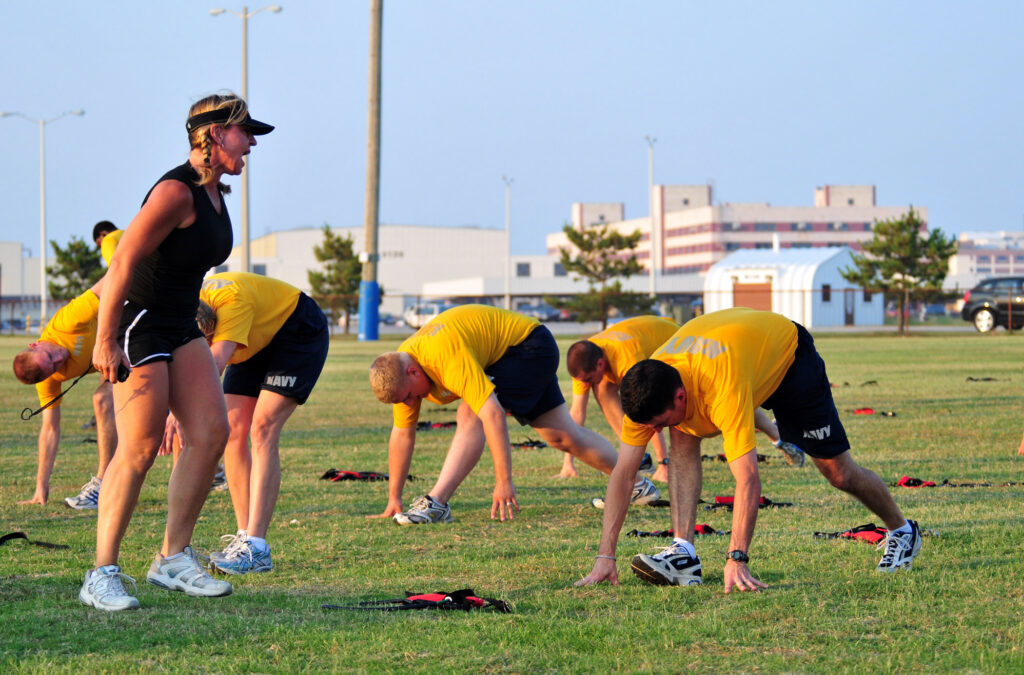
- Person doing a home workout or gym exercise
- Brisk walking or jogging outdoors
- Healthy meal with vegetables and protein
- Strength-training exercise such as squats or dumbbell training
Suggested image ALT text:
“Best workout routine for weight loss and fitness and health”